Off-Platform Communication
Drivers share real-time road intelligence through informal channels, text chains, group chats, voice calls, that Uber cannot see or act on.
8 of 12 drivers used off-platform networks
Designing a voice-first conversational AI layer for Uber drivers navigating large-scale events like FIFA World Cup 2026.
Try the working build below: live map, simulated event traffic, and a voice agent you can interrupt mid-sentence.
Voice may be offline if the ElevenLabs credits have run out. The teaser video shows the full spoken interaction."Sometimes the Uber app picks it up and sometimes it doesn't. I don't know how well they coordinate with the police shutting down streets, more times than not, they don't."
P1, Uber Driver, Seattle
This matters now. Uber runs at a scale where small gaps compound quickly, and 2026 brings the FIFA World Cup to the United States on top of it.
With millions of fans unfamiliar with host cities, Uber has a significant opportunity to become the default way to get around. But only if the driver experience holds up under pressure.
Uber does validate driver road reports. The gap is latency, not absence. A report has to travel through Uber’s own validation channels before it reaches anyone else, and that round trip takes roughly two hours. At a large event the road changes in minutes, so by the time a closure is confirmed and pushed out to other drivers, it has usually already cleared or moved. The information is accurate and useless at the same time, which is why drivers fall back on each other instead.
We didn't start with a survey. We started where drivers actually work.
Platform goals, business priorities, internal data
On-the-ground experience, pain points, workarounds
Venue logistics, crowd flow, road closures
How other systems handle surge, coordination gaps
Our research centered drivers, but understanding the full ecosystem shaped how we framed the problem and where we drew design boundaries.
Accompanied drivers on event-day trips in Seattle. Observed navigation decisions, passenger interactions, and staging strategies in real time.
Remote and in-person interviews across three cities exploring mental models, coping strategies, and event-day pain points.
Visited known staging and pickup spots near venues. Documented spatial patterns and informal driver coordination.
Analyzed screenshots from driver group chats, forum posts, and personal note systems, the invisible knowledge networks.
Before speaking with a single driver, we reviewed Uber driver app store reviews, Reddit communities (r/uberdrivers), competitor pickup flows across 7 platforms (Lyft, Waymo, Lime, Shuttle, Gett, Curb), and 5 academic and industry sources on large-event transportation logistics. This grounded our interview protocol in real patterns, not assumptions.
Drivers share real-time road intelligence through informal channels, text chains, group chats, voice calls, that Uber cannot see or act on.
8 of 12 drivers used off-platform networks
Veteran drivers develop mental maps of secret locations, optimal pickup routes, and positioning strategies built over years of experience.
100% of veteran drivers had spot strategies
The pickup moment during events is the highest-friction point. Drivers and riders struggle with location accuracy, crowd density, and unclear meeting points.
Avg. 3x longer pickup during events vs. normal
"The app tells you to go to the designated zone. But you'd be stuck there for 20 minutes. Experienced drivers know to wait 2 blocks over."
P4, Veteran Uber Driver
We mapped 8 research insights across driver impact & business effort to identify where design could move the needle most.
Trust
Communication
Reliability
Community
Transparency
The insights clustering in the high-impact quadrants all pointed to the same gap: real-time, trustworthy communication between the platform and drivers.
Reach pickup more efficiently, offload misinformation on reroutes
Hands-free comms, crowdsourced reroutes, reduces info overload for drivers and Uber
Voice-first removes the 'glance at screen' constraint. Can scale to non-English speakers.
Find passenger efficiently, reduce back-and-forth communication
Hands-free proximity alerts, customizable radius
Solves a narrower slice of the problem. Haptic hardware variation across devices creates reliability risk.
Data-informed decisions about when to make trips, demand transparency
Increased earnings through demand forecasting, density maps
Valuable but addresses pre-trip planning, not the in-event communication breakdown.
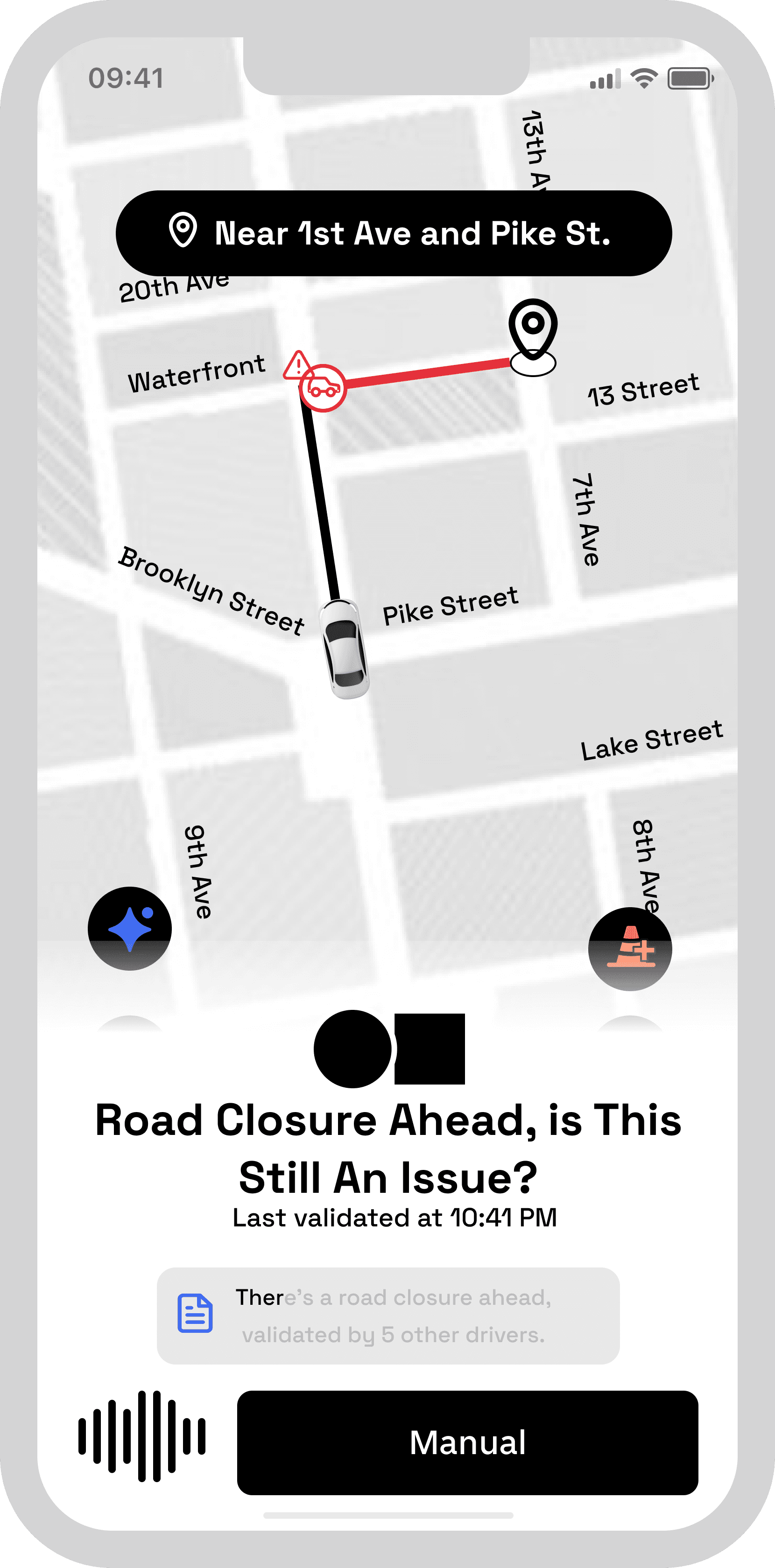
A conversational AI layer inside the Uber Driver app designed for hands-free, real-time communication during large-scale events.
 The agent asks rather than guesses when speech is unclear.
A voice-first assistant that carries road intelligence hands-free, so drivers keep their eyes on the road and their hands on the wheel. Every exchange is also written to the screen as a live transcript, and the agent runs on ElevenLabs, which supports 31 languages. A driver who is more comfortable in Punjabi or Spanish gets the same information as everyone else, and can read it back when crowd noise swallows the audio.
Drivers told us they cannot look at screens during events, and many already coordinate by phone with other drivers. Voice removes the glance. Transcripts and language coverage are here because our interviews kept surfacing the same two failure points: engine and crowd noise drowning the audio, and drivers whose first language is not English missing information other drivers get for free.

 Voice first, with a map pin as the fallback.
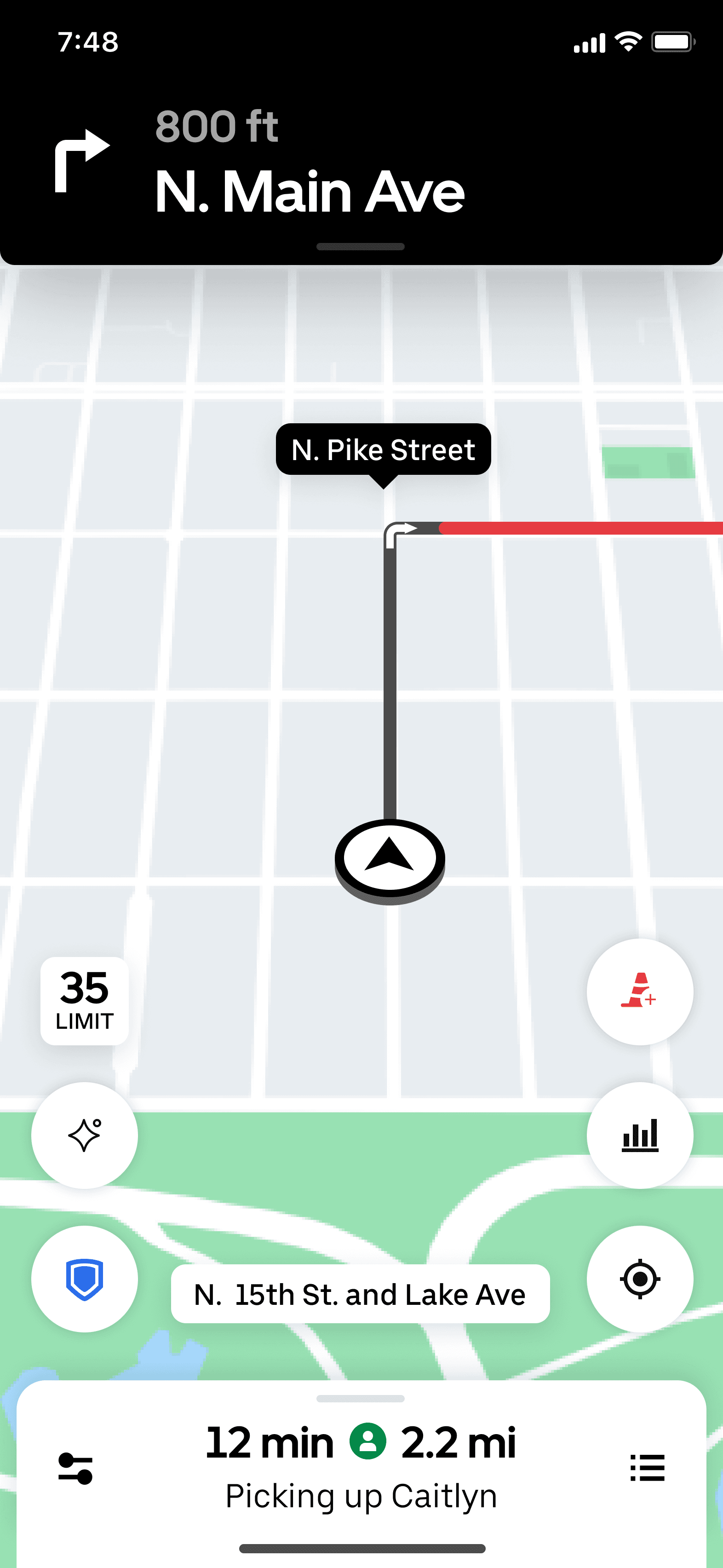
A driver who hits something the map does not know about can report it without touching the phone. The agent captures the location by voice, offers a map pin as a fallback when the street name is ambiguous, then asks what kind of obstruction it is: a road closure, a crowd disruption, an accident, or something else.
Reporting had to survive a moving vehicle. Voice is the primary path and the pin is the backup, not the other way round. Typing was never an option: it is unsafe, and it is the reason so much of this intelligence currently lives in text threads between drivers instead of inside the app.
 The prompt carries its evidence: five confirmations, verified five minutes ago.
When another driver has already flagged something ahead, the agent surfaces it before this driver reaches it and asks for a yes or a no. The prompt carries its own evidence: how many drivers confirmed it, and how recently it was last verified. Either answer updates the report for everyone behind them.
This is the direct answer to the two hour validation lag. Drivers are already the fastest sensor network on the road, so the confirmation loop runs driver to driver at the speed the road actually changes. Showing the count and the timestamp is what makes it trustworthy, because drivers told us they discount any alert that will not show its age.
We ran moderated sessions on the mid-fidelity prototype and watched where a voice-first interface fails under conditions closer to real driving. Every finding below changed the design.
Three things to read became one question.
The assistant introduced itself over two lines, then offered a pre-filled suggestion chip and a second button next to the mic. Drivers had to read and choose before they could speak.
Cut the introduction to a single question, removed the suggestion chip and the second button so the mic is the only control, and added an explicit dismiss.
The “Manual” button left the voice prompt.
A full-width black “Manual” button sat directly under the voice prompt, competing with the mic. Two ways to answer the same question, and the manual one was visually louder.
Moved manual reporting out of the assistant and onto Uber’s existing report control on the map, leaving the assistant voice-only. Participants liked having the choice, so the path stayed, just not inside the prompt.
The prompt now names the street it picked.
“Select Where the Crowd Disruption Exists” asked drivers to confirm a road without showing which road the system meant. The whole route was highlighted, not the segment.
Rewrote it to “Set your pin on the street where the issue is located,” and made the map answer back: the chosen street is labelled and the exact stretch outlined, so drivers see the interpretation before confirming.
Drivers don’t speak in clean, short commands. They trail off, restate, and pause mid-sentence. We retuned the assistant to tolerate longer responses and natural pauses instead of cutting drivers off at the first silence.
Four participants is enough for directional signal, not for a production decision. Validating this properly needs a larger and more diverse driver pool: varying tech comfort, languages, vehicle setups, and event types. It also needs a live event rather than a simulated one.
RoadRaise runs as a working web prototype: live map, simulated event traffic, and a voice agent you can interrupt mid-sentence. Built to test with drivers, not to sit in a deck.
PROJECTED USER IMPACT
Smart pickup zones & landmark wayfinding directly address the 3x longer pickup time during events, cutting wait times for both drivers and riders.
PROJECTED STRATEGIC IMPACT
By surfacing invisible driver knowledge into the platform, Uber gains a new data layer: crowd-sourced operational intelligence that improves with scale.
PROJECTED BUSINESS IMPACT
Large events are where drivers earn the most but also where frustration peaks. Better tools for event conditions directly impact driver satisfaction and retention.
The most surprising finding was that drivers had already built a better system than Uber offered, but they built it outside the app. The design challenge wasn't to invent new behavior. It was to earn enough trust to bring existing behavior onto the platform.
UX Designer - Wyze Labs
Jun - Nov 2025
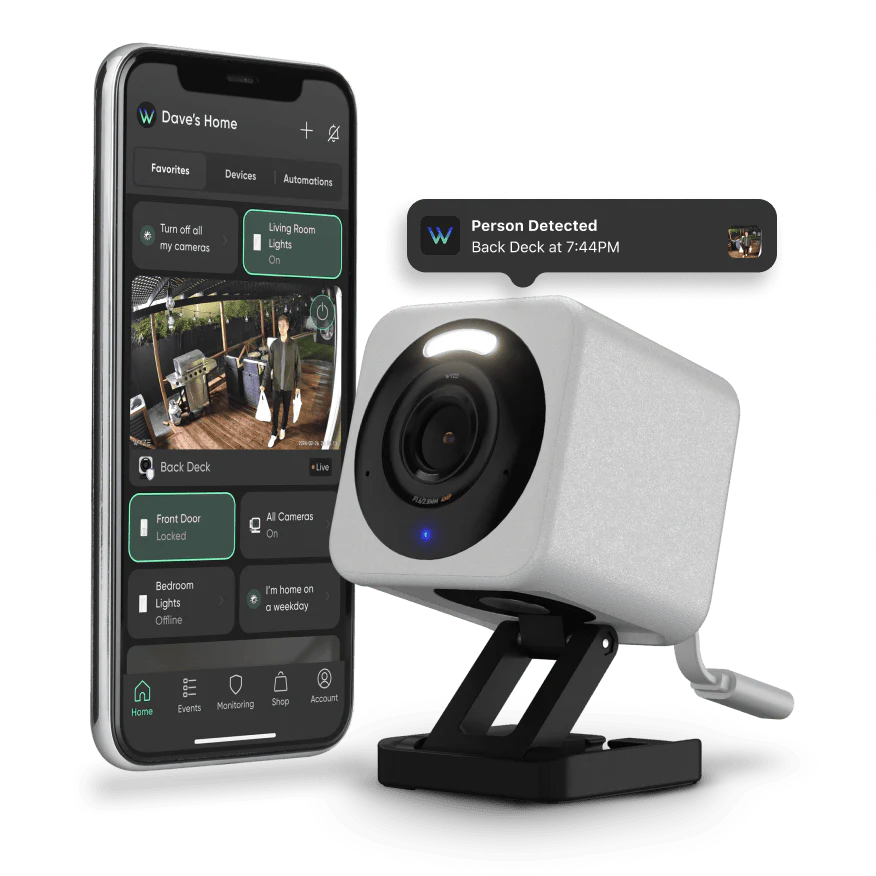
During my 6-month internship, I led strategy, research, and design for Wyze's first AI-powered Intelligent Profile service layered on top of existing security cameras; catering to a $3.1B market opportunity & shipped an MVP.
UX Designer - Well Medical Arts
Mar - May 2025
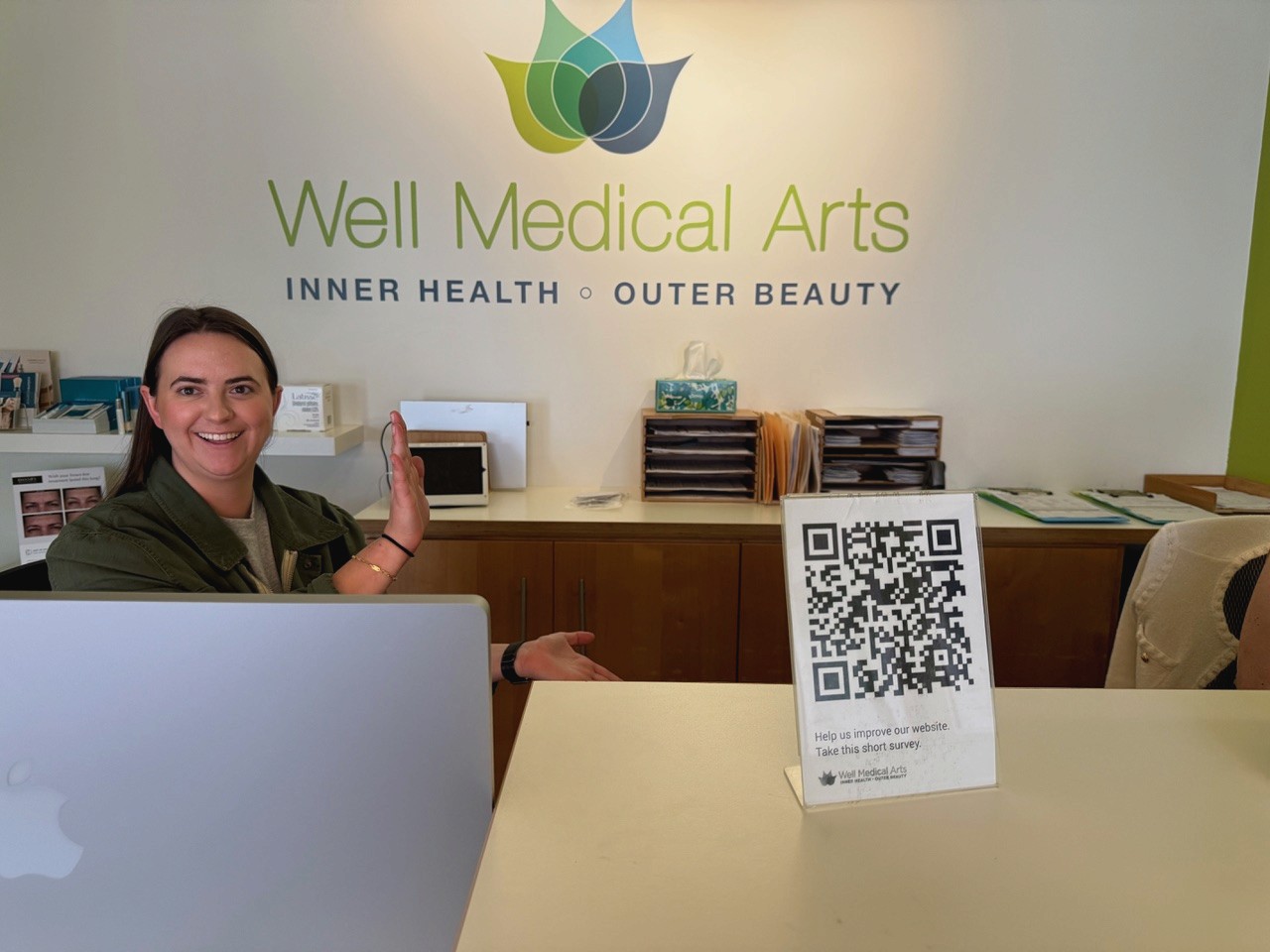
A 10-week research-led redesign of a West Seattle medspa's mobile website — making it easier for first-time patients to discover treatments, understand pricing, and book appointments.