Reimagining Fifa World Cup Experience for Uber Drivers
Improving Earner Experience at Large-Scale Events
Timeline [20260
Jan - Mar [Research]
Apr-Jun [Design]
Product
Uber Driver App
Uber Rider App
Research Methods
- Ethnography
- Field Studies
- Thematic Analysis
Improving Ride-share Driver Experience at Large-Scale Event Pickups
A UW HCDE Capstone project sponsered by

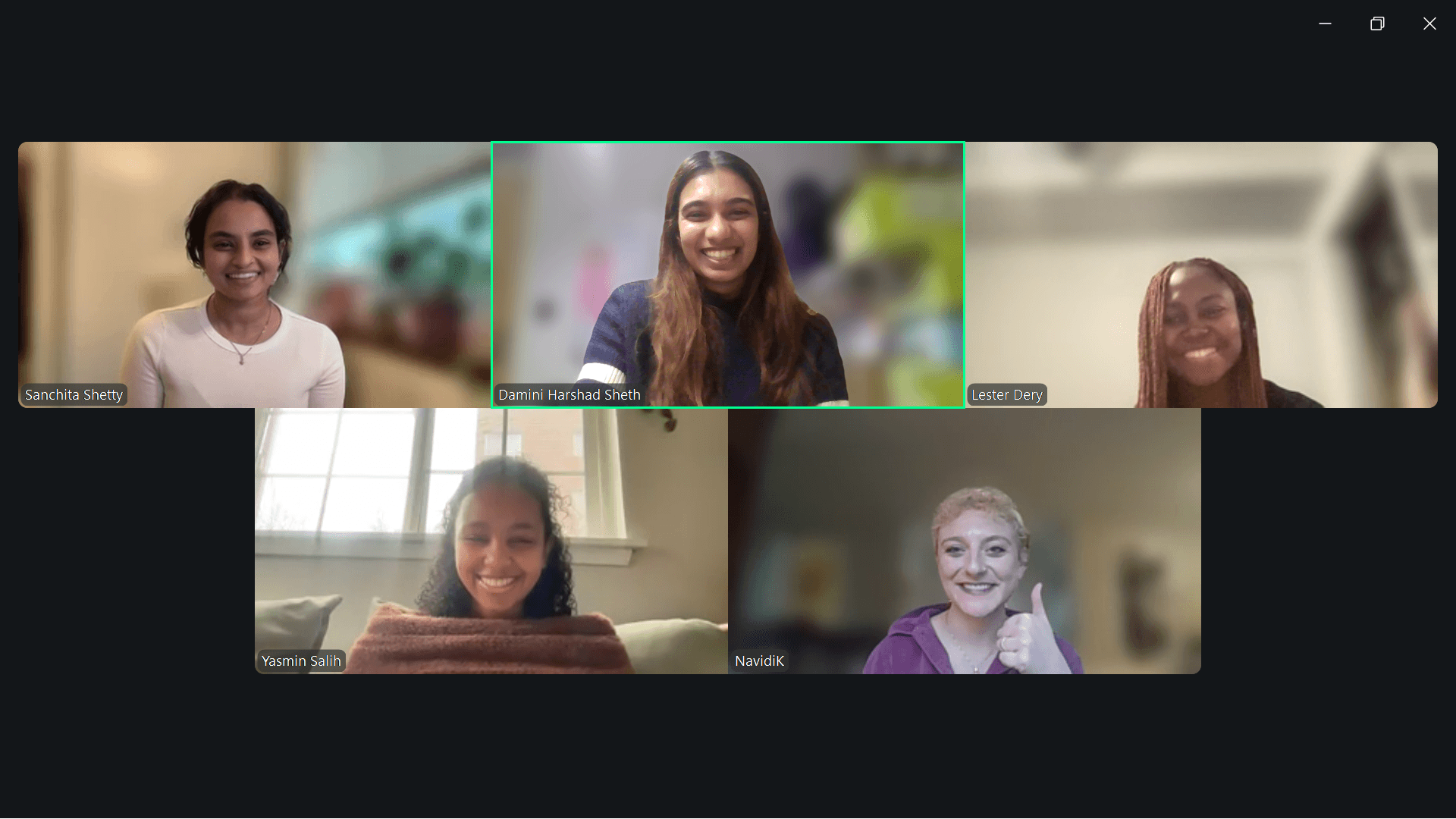
Team Members
Damini Sheth
Product Designer Product Manager
Lester Dery
UX Researcher and Designer
Sanchita Shetty
Product Designer and Reseacher
Yasmin Salih
Product Designer and UI Developer
Project Motivation & Background
We were assigned Uber as our capstone sponsor with a clear challenge: improve the Uber driver experience during large-scale events and high-density spaces, with the 2026 World Cup as the primary lens.
During large events, riders frequently avoid Uber because coordinating pickups feels chaotic, slow, and unreliable which pushes them towards competitors or alternative modes of transport. This hurts drivers, who face the frustration of navigating surge crowds with little support as well as receive minimal profit. It also serves as detriment to Uber, because peak hours are supposed to be profitable, but their current system is not able to handle it during large scale events.
Uber's goal is straightforward: make the driver experience more reliable and less frustrating during these moments, so they can capture more trips when it matters most.
Why This Research Exists
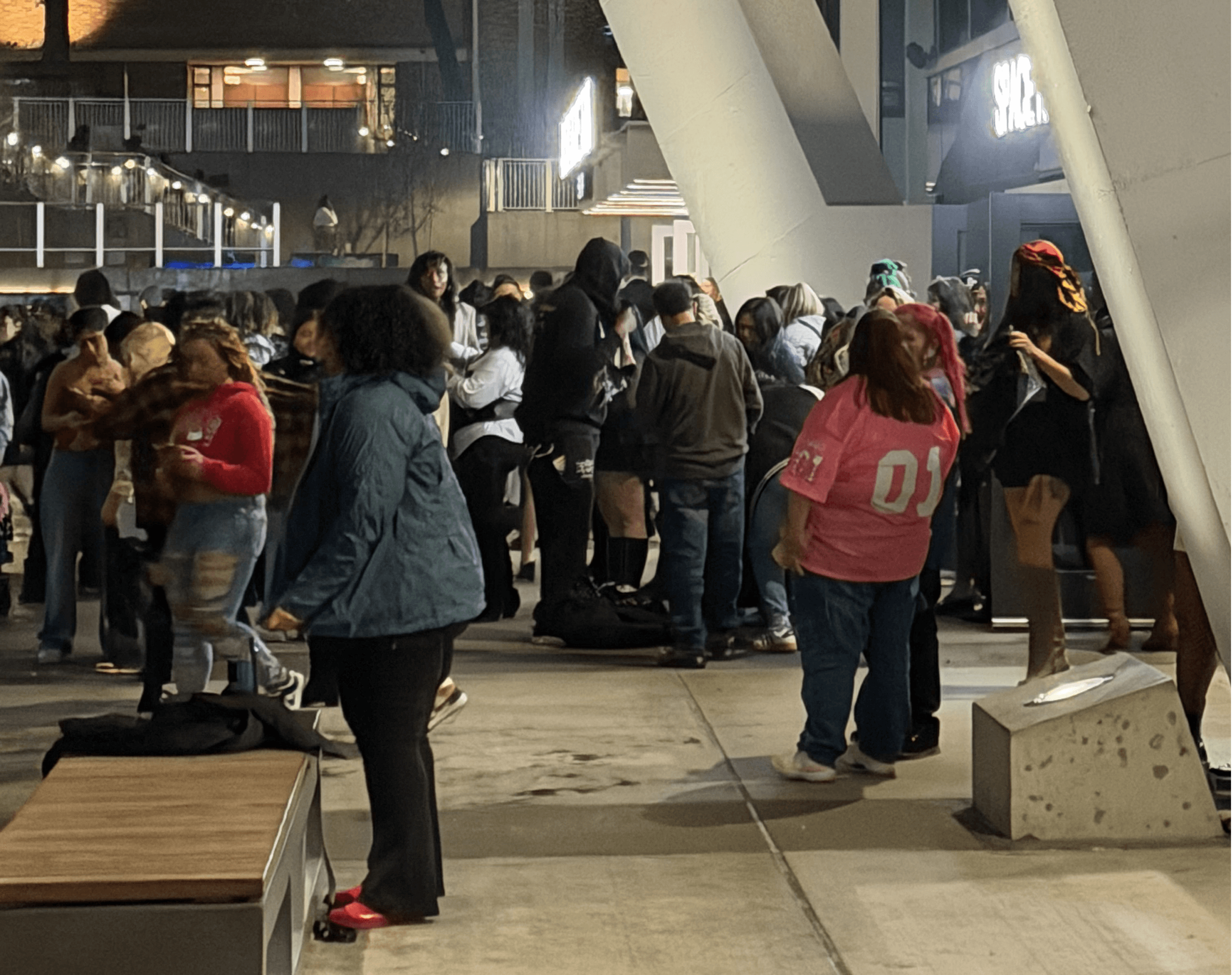
Uber is an on-demand ride platform, you (passenger) requests a ride, a nearby driver accepts, and they pick you up and drop you to your location. Simple in theory, but large-scale events break that model. When tens of thousands of people leave a stadium at the same time, the conditions Uber was built for, clear roads, identifiable pickup spots, real-time navigation, stop working the way they should.
Uber is designed for NORMAL conditions, not EVENT conditions.
Drivers face a compounding set of challenges: dense crowds blocking routes, road closures with little warning, insufficient real-time updates, and the near-impossible task of identifying their passenger in a sea of people. The result is frustration on both sides; riders give up and find alternatives, and drivers lose trips they should have captured.
Possible Impact
This matters especially now, with the 2026 FIFA World Cup coming to the United States, one of the largest recurring sporting events in the world, and the scale is hard to overstate.
Fans projected to attend (2026)
5.5 Million
United States
Total spectators in 2022
Qatar
3.4 Million
Total spectators in 2018
Russia
3.03 Million
With a large influx of fans, many of them unfamiliar with the host cities, this is a prime opportunity for Uber to become the go-to way to get around. And the World Cup is just one large event out of several in the US.
In the first 90 days of 2026 (By Predict HQ)
396,144
Impactful Events in the United States
For Uber, this is a significant opportunity in the US. Success would look like drivers completing more trips during large-scale event windows and feeling less frustrated navigating pickups in chaotic conditions.
Research question
During large-scale events, how do Uber drivers interact with the current internal GPS and wayfinding systems to accurately identify passengers during pickups, and what behavioral and technical challenges influence their motivations?
Research Methods & Rationale
To build a well-rounded understanding of the space, we structured our research in two stages: secondary research to orient ourselves in the domain, followed by primary research to gather direct, firsthand insight.
Secondary Research
01
Digital Ethnography
We analyzed Uber driver app reviews and Reddit communities to understand how drivers are currently experiencing large-scale event pickups and drop-offs in their own words, unfiltered and unprompted.
02
Competitor Analysis
We conducted a competitor analysis across 7 platforms including Uber, Lyft, Waymo, Lime, Shuttle, Gett, and Curb. Since drivers commonly juggle multiple apps based on availability and earnings, it was important to understand how other platforms are addressing the large-event experience and what solutions are already in place.
03
Literature Review
We also conducted a literature review across 5 key sources to understand how the driver experience during large-scale events is being addressed globally, not just in the US, and to confirm the relevance of the problem.
Primary Research Methods
ZOOMING IN
Seattle, Austin, St. Louis
1
Field Study
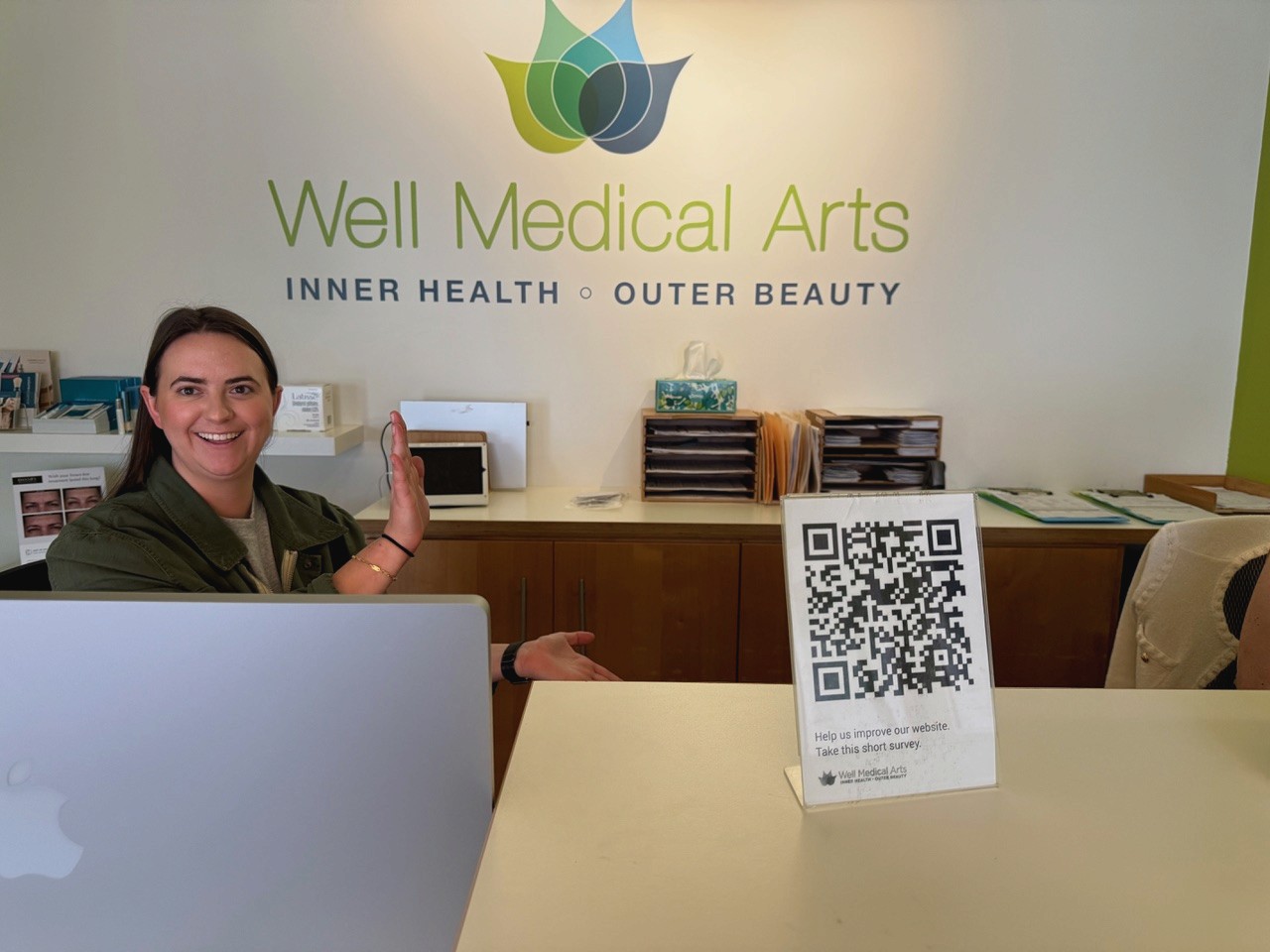
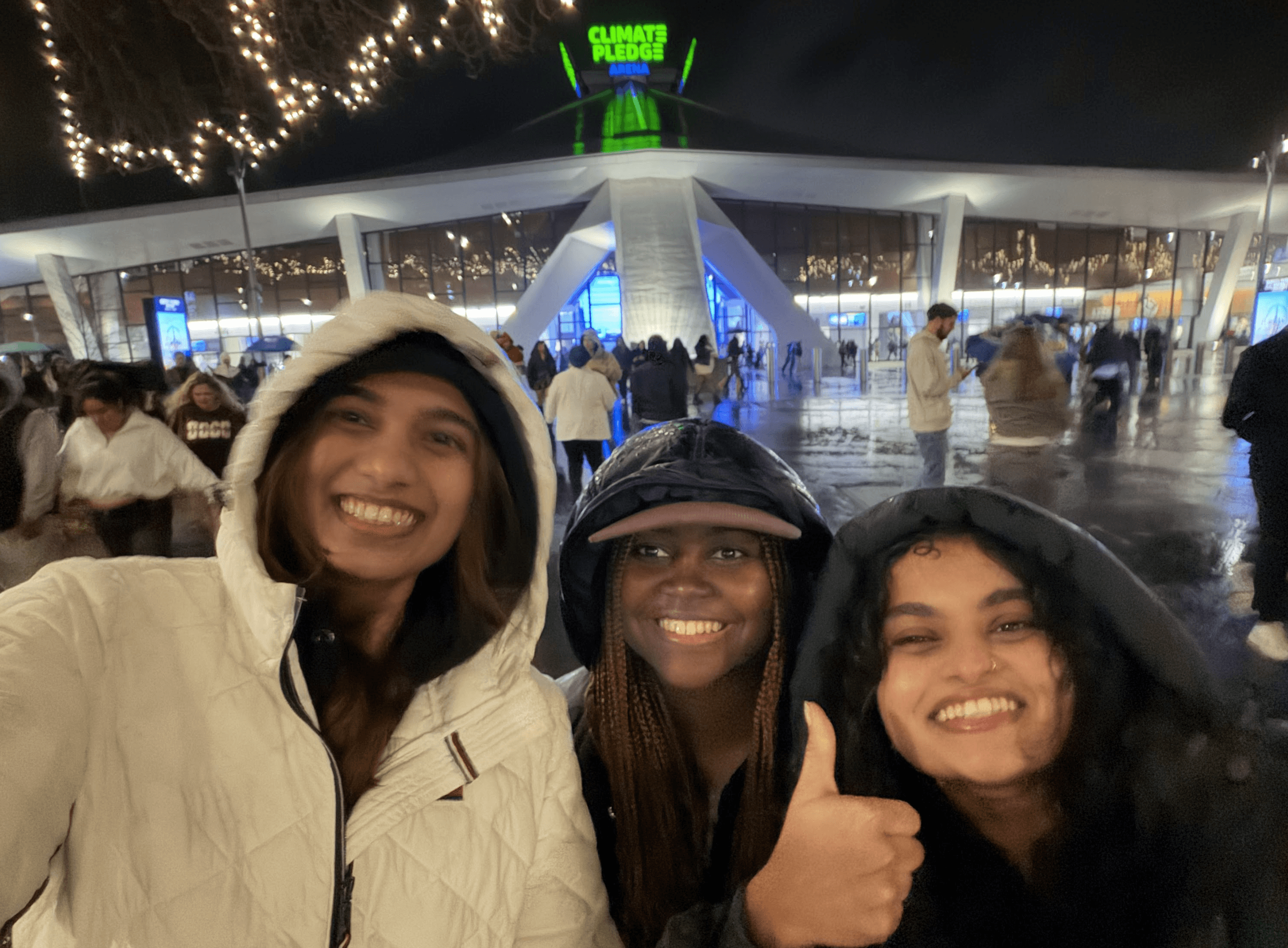
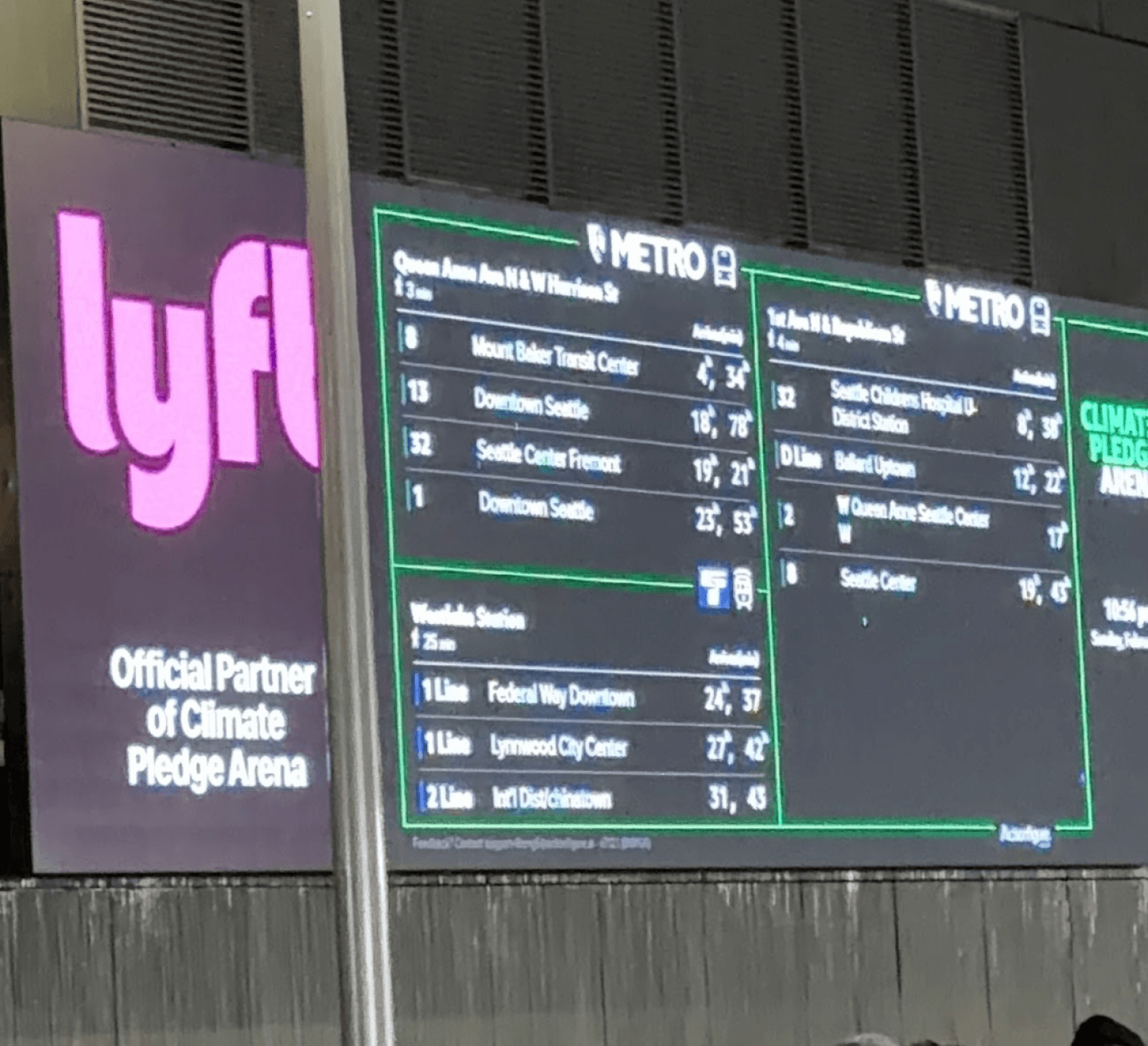
4 large-scale Seattle event locations observing crowd behavior, venue and space design, wayfinding, and how the physical environment translates onto the Uber map, capturing friction points that don't always surface in interviews.
2
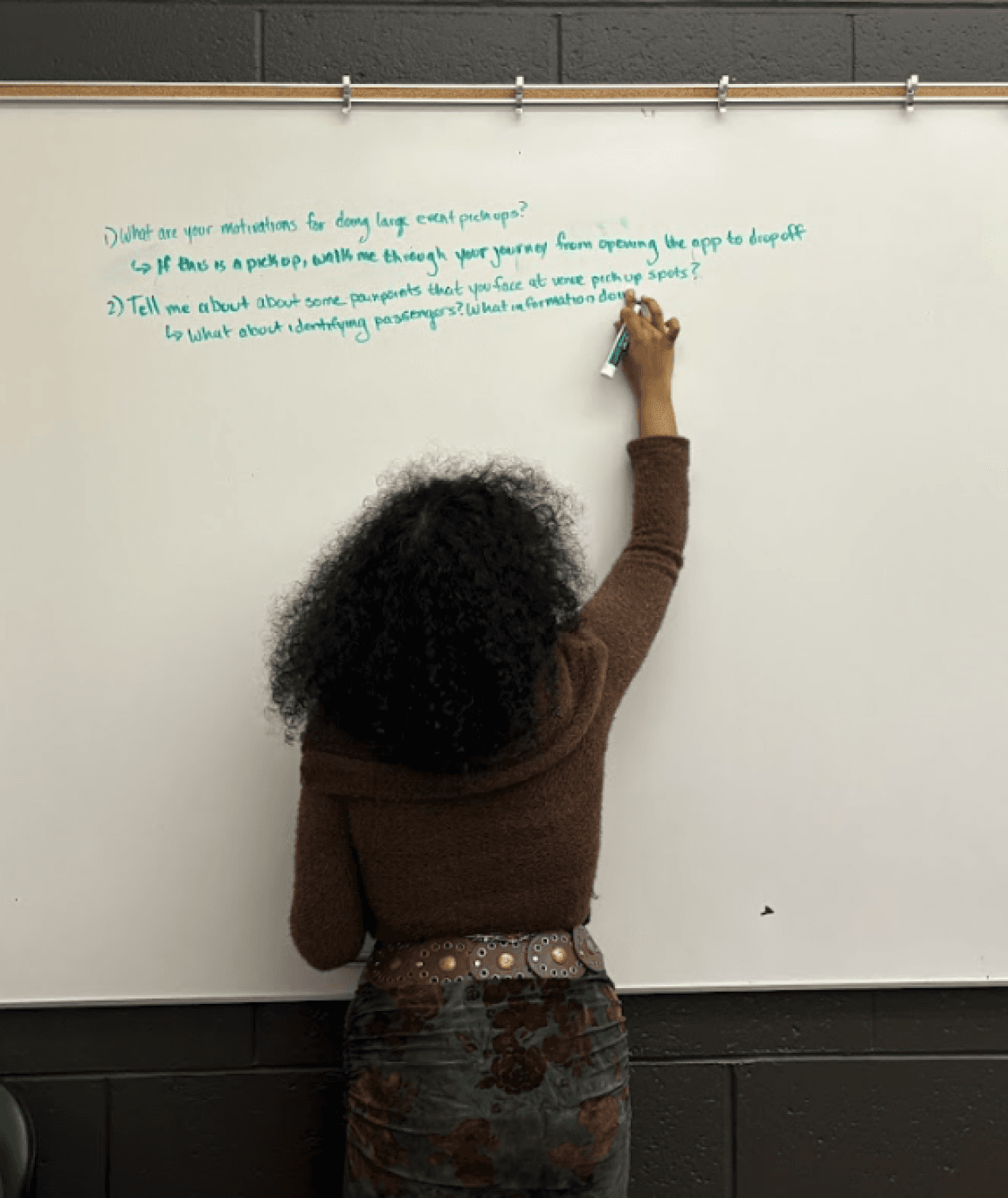
1:1 Driver Interviews
6 Uber drivers across 3 cities, Find meaningful patterns across their experiences despite coming from different locations.
3
Subject Matter Experts Interviews
2 from Seattle Sound Transit
1 from Uber Ops Team
to gain professional perspective and validate our understanding of the space.
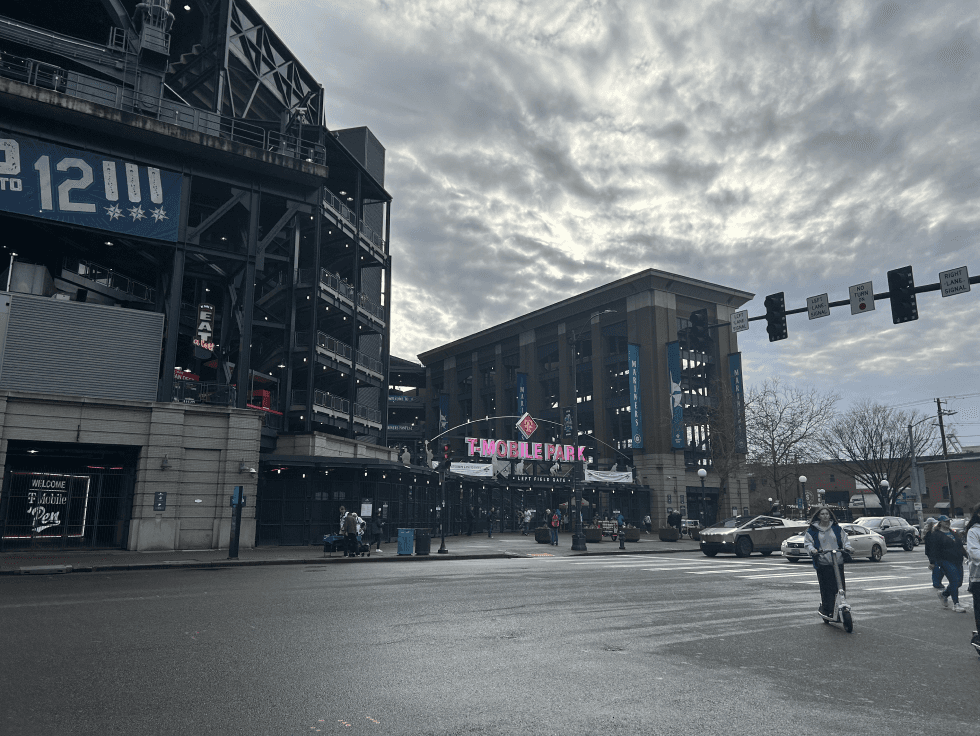
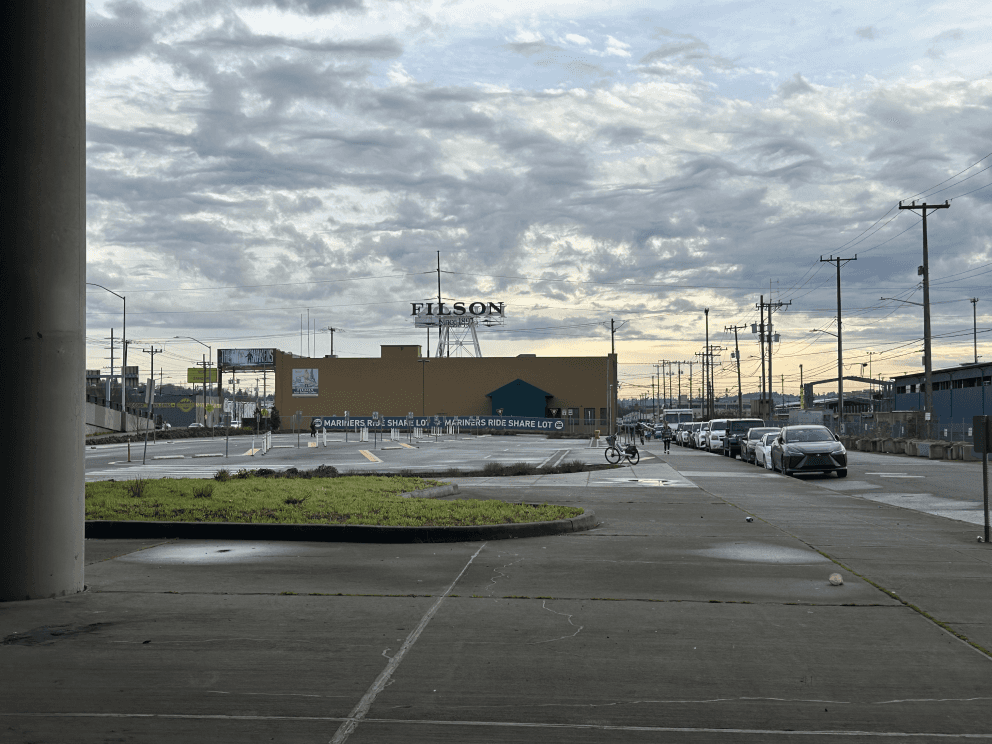
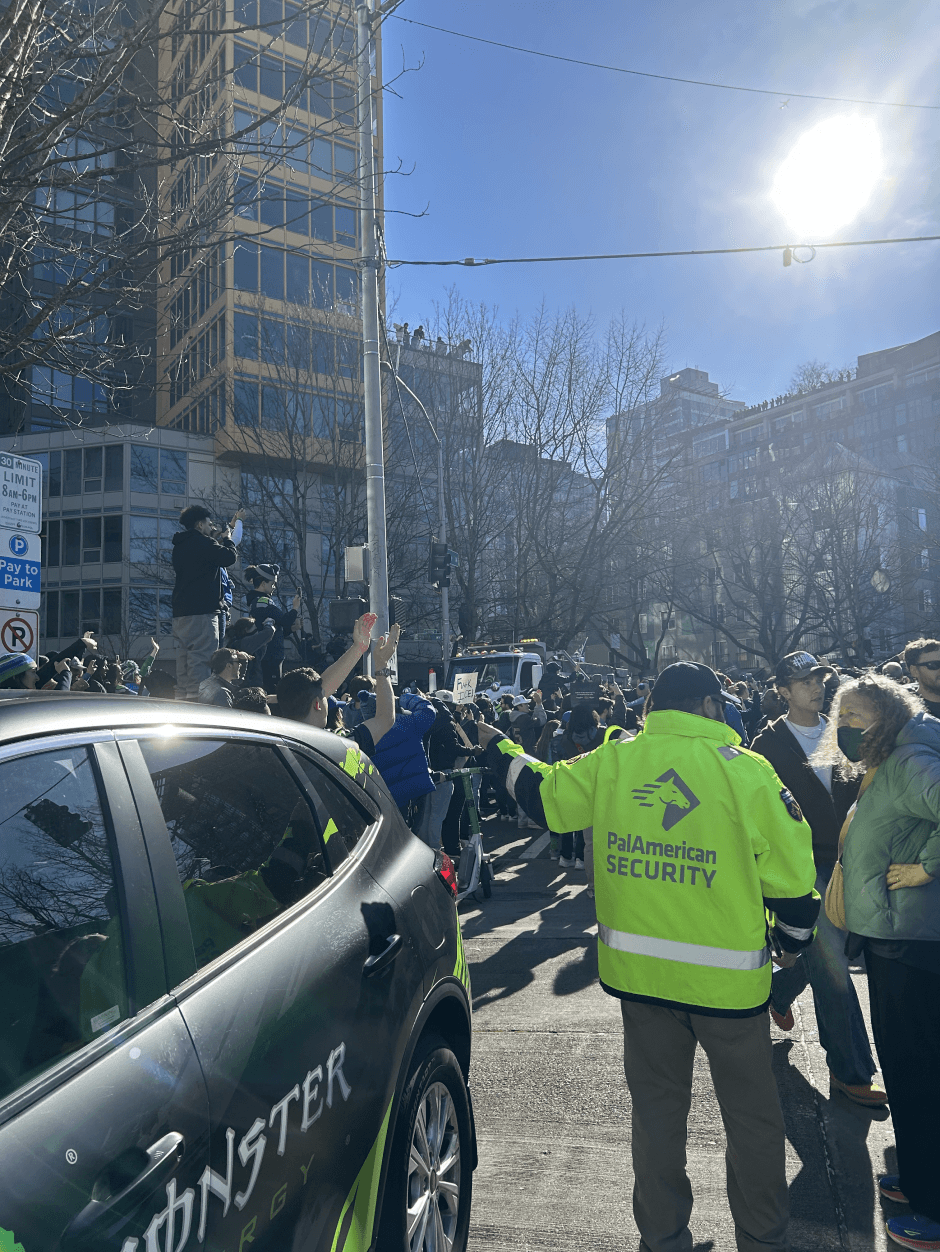
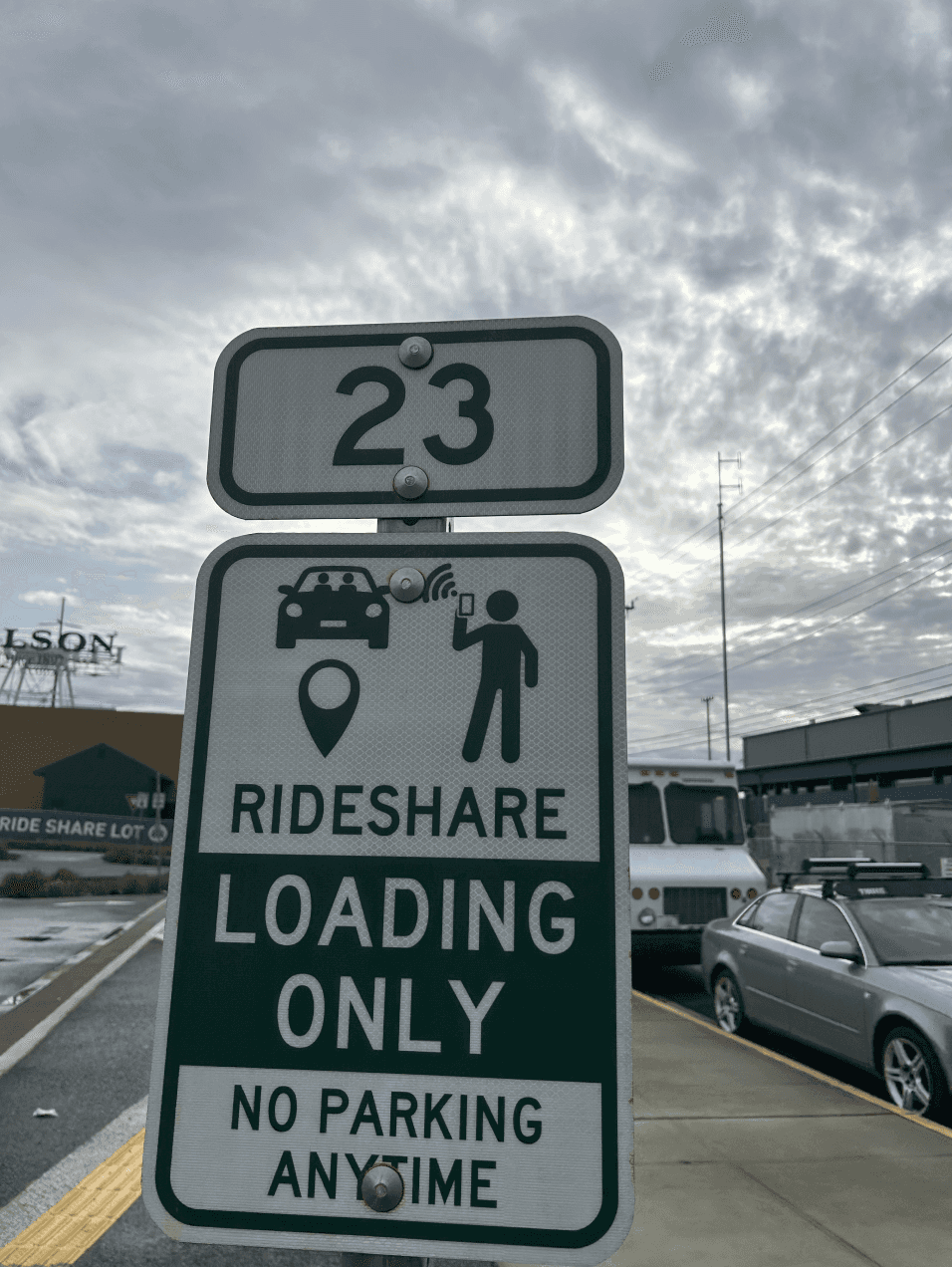
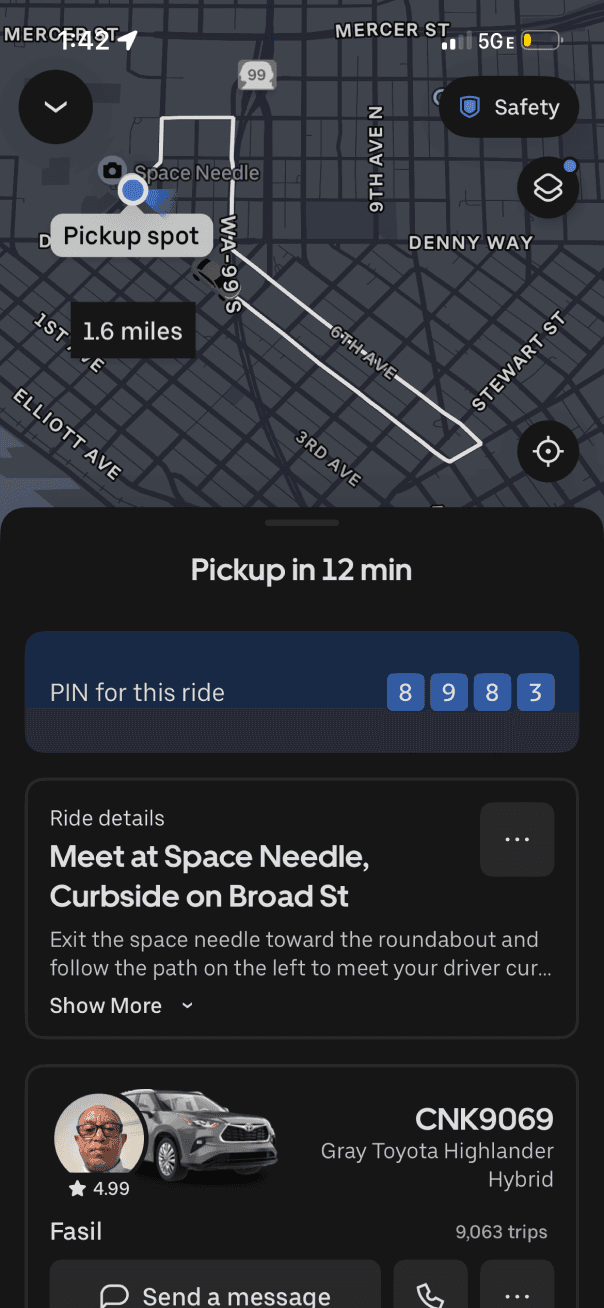
Recruitment and Logistics
To recruit driver participants we used a combination of 8 ride-alongs, outreach through Facebook and Reddit, and personal networks. All participants reviewed a consent form covering their rights and data anonymization. We developed a standardized interview guide used across all sessions, held over Zoom or phone based on driver preference.
*Given the difficulty recruiting drivers willing to discuss their Uber experience, we got scrappy: supplemented formal outreach with informal conversations and Reddit community posts to build context and identify interested participants.
Synthesizing findings
These methods were chosen to match the constraints and goals of the project: limited internal data, privacy restrictions on rider experience, and a focus on understanding drivers’ real-world behaviors and pain points in context
1
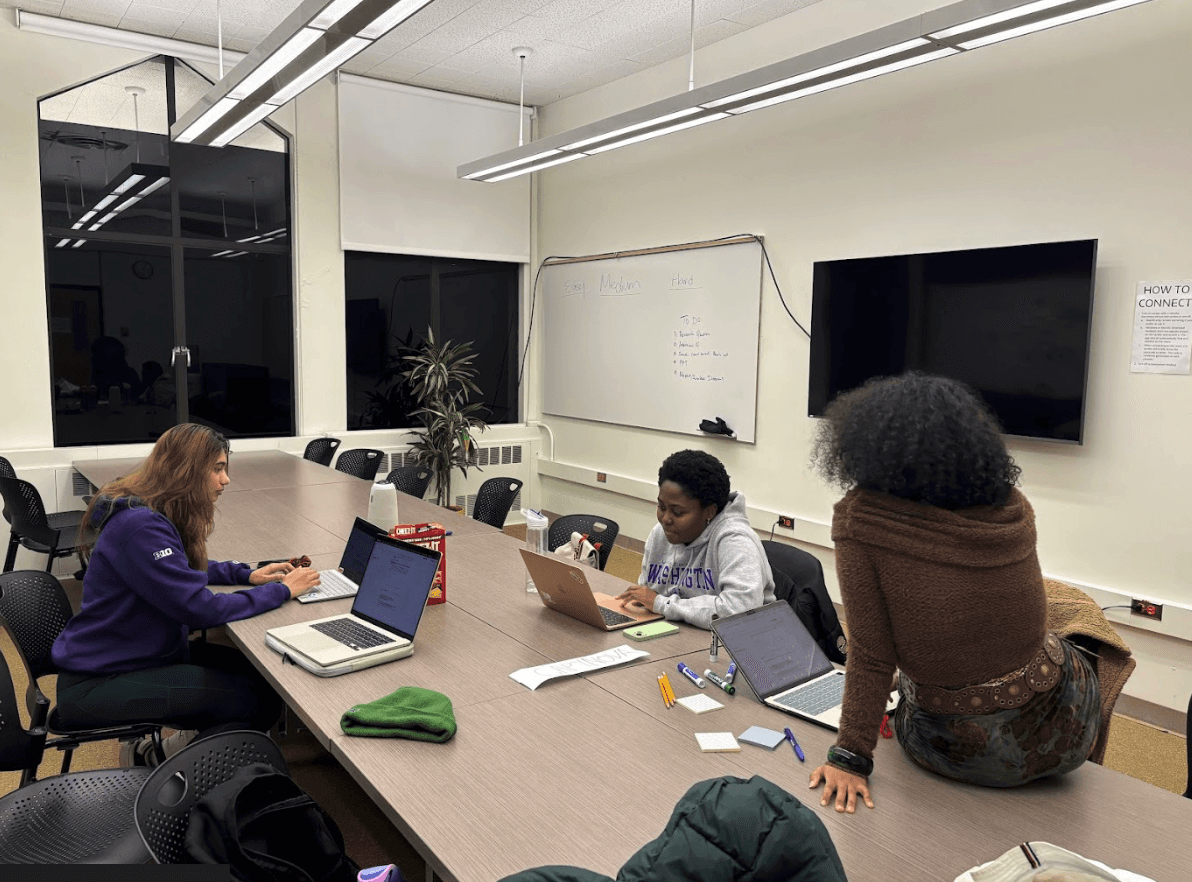
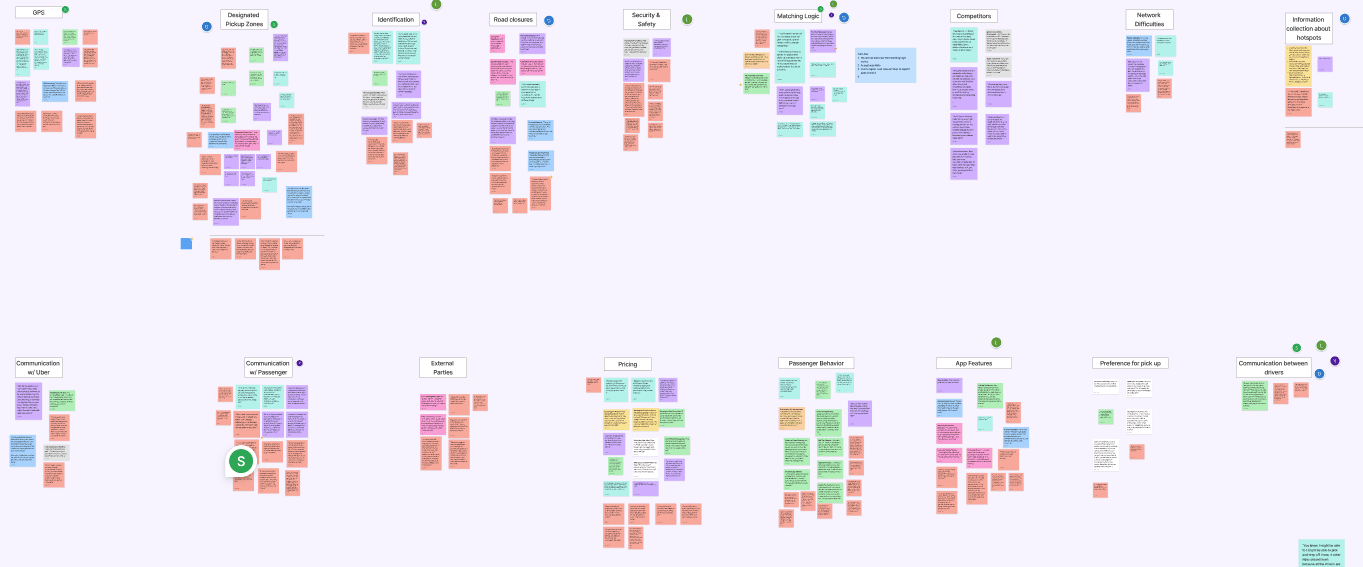
Affinity Mapping
We clustered interview quotes, observations, and field notes into groups (e.g., match stress, spot logic, communication lag).
2
Thematic Analysis
Within each cluster we looked for recurring patterns, tensions, and contradictions (e.g., “official zones exist” vs. “I never use them”).
3
Journey Mapping
Mapped the end‑to‑end driver journey for a single event: approach → wait → match → pickup → exit.
What We Can Claim We Know
These are behaviors and pain points confirmed by multiple participants or described in specific, concrete detail.
6/6
Road closures are not reliably reflected on the Uber map during events
6/6
Designated pickup zones are frequently inaccessible or impractical
5/6
Drivers rely on personal experience and informal networks for event intelligence, not the app
4/6
/6
Drivers time their arrival to catch the surge rather than arrive early
4/6
/6
Passengers don't follow pickup zones, creating coordination friction
What we don’t know

Cancellation rates at designated pickup zones vs. off-zone pickups during large events
This is the single most important data point. If cancellation rates are significantly higher at designated zones, it validates that designated zones are often inaccessible.

Do drivers deviate from their suggested routes during large events?
How often drivers override the app's routing during events vs. regular nights. This validates that experienced drivers routinely ignore the app because it fails them.

Are surge activation timing relative to event end times?
When does the surge start, peak, and drop off after events end? If surge timing is consistent enough to model, the feature has a real basis. If it's too variable, the solution needs rethinking before anyone designs it.

Are cancellation rates proportional to the event size?
Do cancellations spike proportionally with event size? This validates the communication failure finding and the overall scale of the problem
Key Themes
Based on the affinity map above we mapped our key themes and then continued to filter and combine till we got to our 3 main themes
P1
“Sometimes the Uber app picks it up and sometimes it doesn't. I don't know how well they coordinate with the police shutting down streets — more times than not, they don't.”
P4
“Great idea having a designated Uber lot — but once the police are there with all the roads closed trying to get traffic out, you can't get there. I did it once and I'm not going there again.”
P4
“I have different little hidey holes around the city for all the large events. After doing this long enough, I can tell you almost down to 50 feet where the surge bubble is going to show up on my map.”
“I've got about half a dozen drivers I'm in contact with every day I work — hey, are you working tonight? We share information.”
“If you decline too many trips and go below 85%, you lose the benefit of seeing the time and direction. You only see: there's a ride — accept or don't. So you can't just pick and choose all the time.”
P1
“I let all the other Uber and Lyft drivers get picked up first. When the surcharges go up — that's when I come in.”

Data Debt
Uber drivers form ad-hoc text chains while waiting to share real-time traffic, closures, and hotspots as crowd-sourced control

Match Point Stress
Drivers wait 30+ minutes for mismatched short rides across venues:
"Not taking 4 minutes after half an hour."

Spot Logic
Designated zones are unusable in traffic or poorly located (Lumen Field's back lot: "great idea, poor execution").
UBER DRIVER EXPERIENCE RESEARCH · 2025
Opportunity Matrix
Design opportunities mapped by estimated impact vs. implementation effort.
Quick Wins
Big Bets
Fill-ins
Avoid
QUICK WINS
BIG BETS
FILL-INS
AVOID
EFFORT →
IMPACT →
Low
High
High
Low
1
2
3
4
5
6
7
8
ALL OPPORTUNITIES
1
Road Closure Alerts
QUICK WIN
Impact 85 · Effort 45 · Closure data exists — surface it before drivers hit the block.
2
In-App Driver Feed
BIG BET
Impact 68 · Effort 75 · Need is real but community features are hard to sustain at scale.
3
Staging Spot Guidance
QUICK WIN
Impact 54 · Effort 38 · Helps new drivers immediately. Veterans already have this figured out.
4
Pickup Zone Redesign
AVOID
Impact 38 · Effort 88 · Every venue is different. High effort, inconsistent and venue-dependent impact.
5
Demand Forecast + Tidal Heatmap
BIG BET
Impact 86 · Effort 80 · High potential but needs significant data infrastructure to be accurate enough.
6
Acceptance Rate Decoupling
QUICK WIN
Impact 66 · Effort 50 · Policy change more than engineering. Fixes a structural flaw at events.
7
Geo-fencing Visibility
FILL-IN
Impact 46 · Effort 26 · Solves info gap but drivers still can't act without real-time closure data.
8
Zone Compliance — Rider Side
FILL-IN
Impact 34 · Effort 14 · Riders ignoring zones is a symptom of poor zone placement, not communication.
Design Requirement
What any solution must be true of — the standard every design decision is tested against before moving forward.
Must surface accurate, timely information before a problem occurs — not after a driver hits a barricade or misses a surge window
Must protect or demonstrably improve driver earnings — if it doesn't make financial sense for the driver, it won't be adopted
Must work for drivers without years of local event knowledge — not just veterans who have already built their own workarounds
Must be transparent about how current and reliable its data is — accuracy has to be proven in practice, not assumed
Design Principles
The beliefs that guide judgment across all decisions
Community
Transparency
Communication
Reliability
Trust
These five principles emerged directly from driver behavior, not design theory. Every workaround uncovered in this research — the off-platform group chats, the ignored Uber alerts, the self-built staging spots — pointed to the same underlying gap: drivers needed the platform to be more trustworthy, more honest, and more useful in the moments that matter most to their earnings. Trust anchors the set, and transparency, reliability, communication, and community describe the specific ways it gets built and maintained over time.
Design Ideation
Participatory design and design sprints will be integral to our process. As we are learning about Uber’s internal design process, we plan on conducting sessions through trial and error to seamlessly incorporate our solution into the app.
How might we design the Uber driver experience to surface real-time, trustworthy guidance during large-scale events, so drivers can make smarter decisions about matching, positioning, and navigation without relying on informal workarounds, while protecting their earnings, ratings, and trust in the platform?
Rationale
As our research progressed, we noticed a consistent pattern: drivers were filling gaps in the system with informal workarounds. The underlying issue was a lack of real-time, actionable and trustworthy information during the moments that matter most. These unreliable guidance affects the drivers’ earnings, ratings and their overall trust in the platform. That led us to our design question:
With this question in mind, our team are looking into three solutions:
Ghost Frequencies
"Sometimes the Uber app picks it up and sometimes it doesn't. I don't know how well they coordinate with the police shutting down streets — more times than not, they don't." — P1

Finding Your Own Fishing Spot
“Good Uber waiting spots are like good fishing spots, a good fisherman doesn’t give away his spots.”
-P5

Street Smarts
"If you decline too many trips and go below 85%, you lose the benefit of seeing the time and direction.”
-P4

Ghost Frequencies
Uber's map data consistently lags behind reality during large events — drivers hit unmarked road closures, make repeated U-turns, and resort to asking passengers to walk. To compensate, they've built their own parallel intelligence system through personal phone chains, Facebook groups, and even direct calls to police contacts, crowdsourcing the real-time closure updates, foot traffic patterns, and neighborhood intel that the app fails to provide.
Design Opportunities
If we provide pre-event demand intelligence: attendance, hotel bookings, post-event hotspots — then drivers will position proactively because the current surge color only appears after demand has already peaked.
If we integrate a real-time road feed updated by drivers, police, and venue volunteers then drivers will spend less time hitting unmarked closures and rerouting because right now the only alert is physically encountering the barricade.
If we build an in-app crowdsourcing layer then real-time driver intelligence moves on-platform because drivers are already sharing this information — just not through Uber.
Finding Your Own Fishing Spot
Designated pickup zones technically exist, but they collapse under real event conditions, roads close, re-entry gets blocked, and drivers who tried them once don't return. Instead, experienced drivers develop their own "hidey holes": memorized staging spots near venues where they can legally idle, stay close enough to catch surge pricing, and exit quickly. This knowledge is built through years of pattern recognition and guarded like trade secrets.
Design Opportunities
If we surface commonly preferred driver pickup spots then passengers get matched to spots drivers can actually reach because designated zones are avoided by drivers who learned they don't work.
If we redesign pickup zones for easy entry and exit with venue coordination then drivers will return to using them because they stopped after getting burned once with no way back in.
If we give non-local drivers contextual venue and traffic info on arrival then they will navigate events more effectively because right now only veteran locals carry this knowledge.
Street Smarts
During long queues, Uber often matches them with passengers on the wrong side of the venue for a short trip, and they get roughly 10 seconds to accept or decline. Declining protects their time but tanks their acceptance rate, and dropping below 85% strips away trip preview details like duration and direction, leaving them flying blind on every future offer. This creates a punishing loop: accept bad matches to keep information access, or decline honestly and lose the data needed to make smart decisions.
Design Opportunities
If we decouple acceptance rate rules during large-scale events then drivers can make smarter match decisions because right now protecting information access means accepting rides that aren't worth the trip.
If we provide a pre-event demand forecast around venue areas then drivers will position earlier and more strategically because they currently have no forward-looking signal until surge appears.
If we guide riders toward driver-preferred pickup zones through in-app navigation then pickups become faster and less chaotic because drivers and passengers are no longer working from different maps.
Looking Forward

Next phase moves from understanding to design — using co-design with drivers across experience levels and markets.

Key validation priorities: cancellation rates at designated zones, driver deviation patterns, and surge timing curves from Uber's internal data.

The goal is a design framework that addresses the root — trustworthy, timely guidance that helps drivers earn fairly at large-scale events.